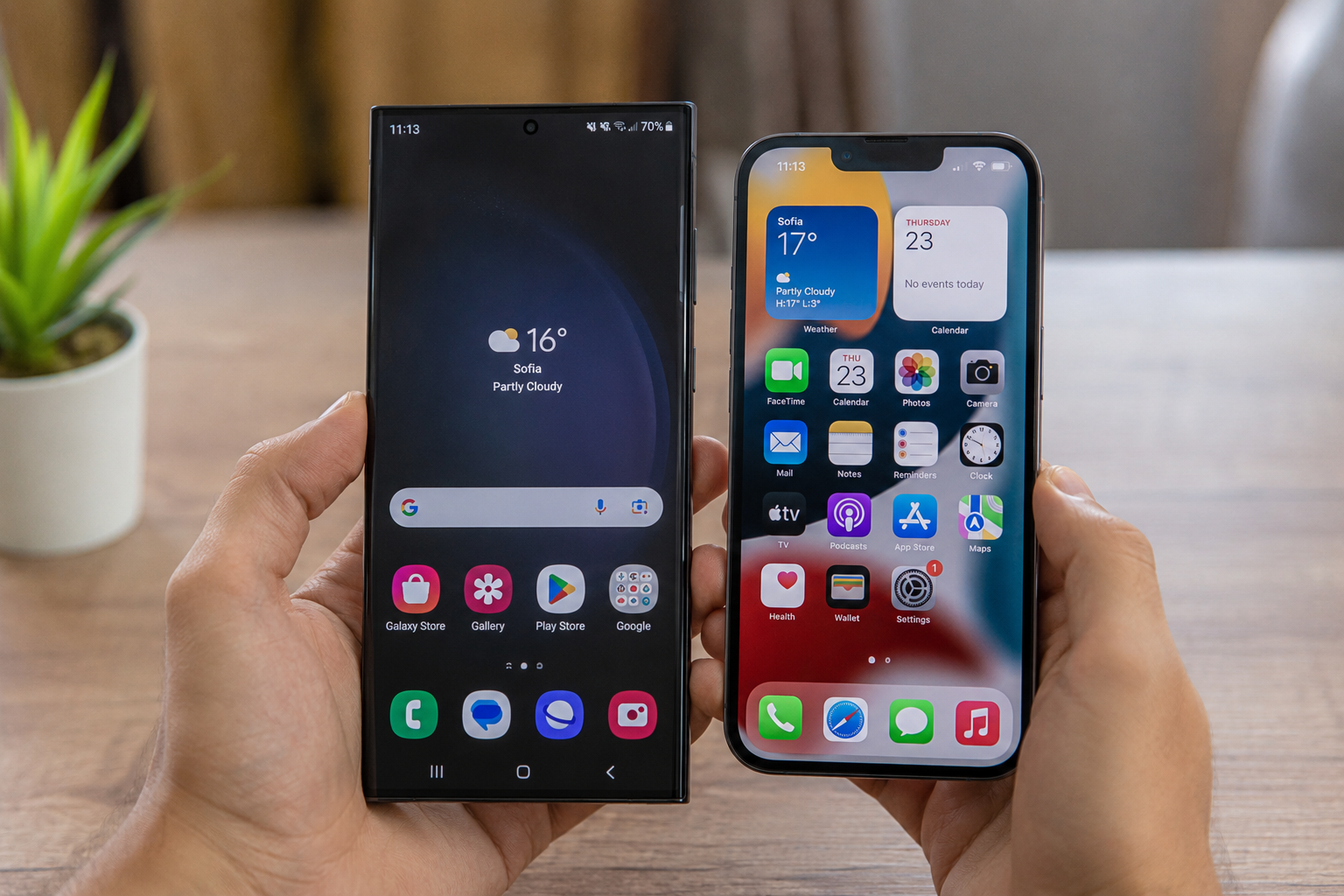
Choosing a new smartphone can be confusing, especially when you have to decide between Android and iPhone. Both types of phones are popular, powerful, and packed with useful features. However, they are also quite different in the way they work, what they offer, and how much they cost. If you are searching for the best smartphone for your needs, understanding the difference between Android and iPhone can make your decision much easier.
Android phones are made by many different companies, including Samsung, Google, OnePlus, Xiaomi, and Motorola. Apple makes the iPhone and controls both its hardware and software. This gives Apple more control over the complete user experience. Android, on the other hand, gives users more choices and freedom.
In this article, we will compare Android vs iPhone based on price, performance, camera quality, battery life, software, security, customization, and other important features. By the end, you should have a better idea of which phone is right for you.
Android vs iPhone: Main Difference
The biggest difference between Android and iPhone is the operating system. Android phones use the Android operating system, while iPhones use Apple’s iOS. Both systems are easy to use, but they have different approaches.
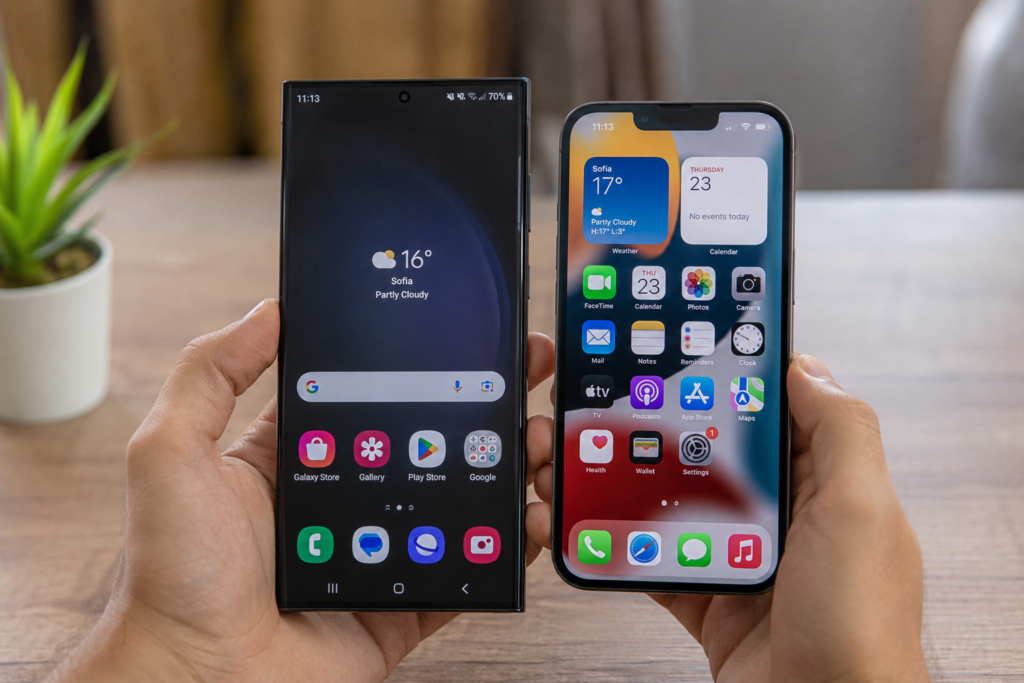
Android gives users more freedom to customize their phones. You can change the home screen, use different launchers, install apps from different sources, and choose from many phone brands and designs. This makes Android a good option for people who like having control over their device.
iPhone offers a simpler and more controlled experience. Apple designs the hardware and software together, which allows the company to create a consistent experience across its devices. iOS is known for being simple, smooth, and easy to understand.
Price and Phone Choices
Price is an important factor when choosing between Android and iPhone. Android has a major advantage because there are phones available at almost every price level. You can find affordable Android smartphones for basic tasks, mid range phones with good features, and premium Android phones with powerful hardware.
iPhones are generally positioned in the mid range to premium price category. Older iPhone models can sometimes be found at lower prices, but new models are usually more expensive than many Android alternatives.
If your budget is limited, Android may be the better choice. You can get a good Android phone without spending a huge amount of money. If you have a larger budget and want Apple’s ecosystem, an iPhone can be a good investment.
Performance and Speed
Both Android phones and iPhones can offer excellent performance. However, iPhones are known for having strong performance because Apple designs its processors specifically for its devices.
Modern iPhones can handle demanding games, video editing, photography, and multitasking without many problems. Apple also optimizes iOS for its hardware, which helps the phone feel smooth during everyday use.
Android performance depends heavily on the specific phone. High end Android phones can be extremely fast and may even offer more RAM and advanced cooling systems. However, cheaper Android phones may not provide the same level of performance.
For someone who wants a simple phone that performs well for many years, an iPhone can be a strong choice. Android is better if you want to choose the exact level of performance based on your budget.
Camera Quality
Camera quality is another major consideration in the Android vs iPhone comparison. Both platforms now offer excellent cameras, but they approach photography differently.
iPhones are popular for their natural looking photos, video quality, and consistent camera performance. Apple’s video recording features are especially strong, making iPhones popular among content creators and people who record a lot of videos.
Android phones can also have excellent cameras. Some premium Android smartphones offer high resolution sensors, powerful zoom, night photography, and advanced camera controls. Certain Android phones are especially good for users who enjoy experimenting with photography settings.
If you want a camera that is simple to use and produces consistent results, iPhone is a strong option. If you want more camera choices and manual controls, Android may be better for you.
Battery Life and Charging
Battery life depends on the individual phone rather than only the operating system. Many Android phones come with large batteries and fast charging technology. Some models can charge very quickly, which is useful for people who are always busy.
iPhones generally offer good battery efficiency, especially on newer models. Apple’s software and hardware work together to manage power effectively.
Android phones often provide more charging flexibility. Depending on the model, you may get faster wired charging and additional charging features. If charging speed is very important to you, Android can have an advantage.
Software Updates
Software updates are an important part of smartphone ownership. They improve security, fix problems, and sometimes add new features.
Apple has traditionally offered long software support for iPhones. Because Apple controls the iPhone hardware and iOS software, updates are usually released directly to compatible devices.
Android updates can vary depending on the manufacturer and model. Premium Android phones often receive several years of software and security updates, while cheaper models may receive less support.
If long term software support is one of your top priorities, you should check the update policy of the specific Android phone before buying it. iPhone is generally a strong choice for people who want a straightforward update experience.
Customization
Customization is one area where Android clearly stands out. Android users can change many parts of the phone’s appearance and behavior. You can use widgets, different launchers, custom icons, and many other options.
iOS has become more customizable over the years, but Apple still keeps the experience more controlled than Android. You can personalize widgets, wallpapers, lock screens, and other elements, but Android usually provides more freedom.
If you enjoy changing your phone and making it look exactly the way you want, Android may be the better smartphone for you.
Security and Privacy
Security is important when choosing a smartphone because phones contain personal photos, messages, passwords, banking information, and other private data.
Apple places a strong focus on privacy and security. The company provides various privacy controls and has a tightly controlled app distribution system.
Android also includes strong security features, especially on newer devices. However, the experience can vary between manufacturers. Users should keep their phones updated and download apps from trusted sources.
Both Android and iPhone can be secure when used properly. Your habits also matter. Using strong passwords, keeping software updated, and avoiding suspicious apps and links can improve your smartphone security.
Apps and Ecosystem
Both Android and iPhone have access to millions of apps. Most popular apps are available on both platforms, so this usually does not create a major problem.
The bigger difference is the ecosystem. Apple devices work closely together. If you already use a Mac, iPad, Apple Watch, or other Apple products, an iPhone can make your digital life more convenient.
Android also works well with many devices and services. Android phones provide excellent integration with Google services and can connect with a wide range of computers, smartwatches, earbuds, and other accessories.
If you already own several Apple products, choosing an iPhone can make sense. If you prefer flexibility and different brands, Android may be more suitable.
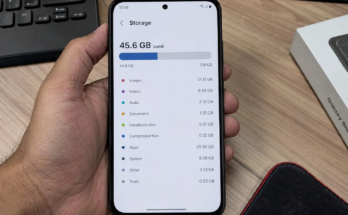
Storage and File Management
Android phones generally provide more flexibility when it comes to managing files. You can easily access folders, move files, connect external storage on supported devices, and share files using different methods.
iPhone file management has improved, but Apple still keeps the system more controlled. This can make iOS simpler for beginners but sometimes less convenient for users who want complete control over their files.
For students, professionals, or people who regularly transfer documents and files, Android can provide more flexibility.
Gaming Experience
Both Android and iPhone are good for mobile gaming. High end Android phones can offer powerful processors, high refresh rate displays, large batteries, and gaming focused features.
iPhones also provide strong gaming performance. Apple’s powerful processors can handle demanding games smoothly, and many popular games are well optimized for iOS.
If you are buying a phone mainly for gaming, do not choose only based on Android or iPhone. Look at the specific phone’s processor, display, cooling system, battery, and storage.
Which Phone Is Better for You?
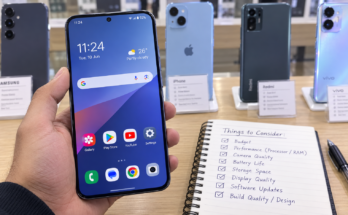
There is no single answer to the question of whether Android or iPhone is better. The right choice depends on your needs, budget, and personal preferences.
Android is a great choice if you want more phone options, flexible prices, customization, fast charging, and greater control over your device. It is especially useful for people who want to choose a phone based on specific features rather than staying with one brand.
iPhone is a great choice if you want a simple and smooth user experience, strong performance, excellent video quality, long software support, and easy integration with other Apple devices.
For budget conscious buyers, Android usually provides more choices. For people already invested in the Apple ecosystem, iPhone can offer a more connected experience.
Final Thoughts
The Android vs iPhone debate will probably continue for many years because both platforms have loyal users. Android offers freedom, variety, and flexibility, while iPhone focuses on simplicity, performance, privacy, and ecosystem integration.
Before buying a smartphone, think about how you use your phone every day. Consider your budget, camera needs, gaming habits, battery requirements, software preferences, and the other devices you already own.
If you want maximum choice and customization, Android may be the better option. If you want a polished experience with strong hardware and software integration, iPhone may be the better choice.
The best smartphone is not necessarily the most expensive one. It is the phone that gives you the features you actually need and fits comfortably within your budget. Once you understand your own priorities, choosing between Android and iPhone becomes much easier.