Smartphones have become an important part of our daily lives. We use them for communication, work, education, entertainment, shopping, banking, photography, and many other activities. Every year, smartphone companies introduce new features that make phones faster, smarter, and more useful. The smartphones we use today are already very advanced, but future smartphones are expected to bring even bigger changes.
The future of smartphones will not only be about better cameras or faster processors. New phones may become more intelligent, more personal, more connected, and easier to use. Artificial intelligence, better batteries, flexible screens, improved security, and new communication technologies are likely to play an important role. In this article, we will look at what users can expect from future smartphones and how these changes may affect everyday life.
Smarter Artificial Intelligence
Artificial intelligence is already being used in modern smartphones, but future smartphones are expected to use AI in much deeper ways. Instead of only helping with simple tasks, AI may become a personal assistant that understands how each person uses their phone.
Future smartphones may learn user habits and provide useful suggestions at the right time. For example, your phone could remind you about an important meeting before you leave home. It could organize messages, summarize long conversations, translate languages, and help create documents or presentations.
AI could also make smartphone cameras much better. A future phone may automatically understand the scene and adjust the camera settings without requiring the user to know anything about photography. AI could improve photos taken at night, remove unwanted objects, and make videos smoother.
Better Smartphone Cameras
Smartphone cameras have improved quickly over the past few years. Future smartphones are likely to continue this trend with better image quality, stronger zoom, and more advanced video features.
Camera sensors may become more powerful while software processing becomes smarter. Instead of depending only on large camera hardware, future phones may use AI to improve every picture after it is taken. This could make small smartphone cameras capable of producing images that look closer to professional cameras.
Future smartphones may also offer better low light photography. Taking clear pictures at night has always been difficult, but improved sensors and AI image processing could make this much easier. Video recording could also improve with better stabilization, higher quality, and more intelligent editing tools.
Longer Battery Life
Battery life is one of the biggest concerns for smartphone users. Even though modern phones are becoming more powerful, many people still need to charge their devices every day. Future smartphone technology may focus heavily on improving battery capacity and efficiency.
New battery materials could allow phones to store more energy without making them much thicker. Faster charging technology may also become more common. In the future, a short charging session could provide enough power for many hours of normal use.
Another important improvement could come from smarter power management. Artificial intelligence may understand which apps and features need power and which ones can be limited. This could help users get more battery life without manually changing many settings.
Foldable and Flexible Displays
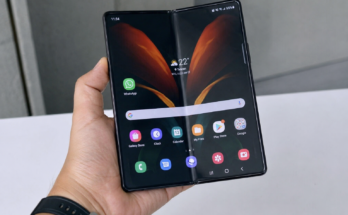
Foldable smartphones have already entered the market, but this technology is still developing. Future smartphones could make flexible displays more common and more reliable.
A phone could be small enough to carry easily and then open into a larger screen when the user needs more space. This could be useful for watching videos, reading documents, playing games, or working.
Future flexible screens may also become thinner and stronger. Manufacturers are working to improve durability so that users do not have to worry as much about scratches, folds, or damage. We may also see phones with different types of flexible designs instead of only traditional folding styles.
Faster and More Reliable Connectivity
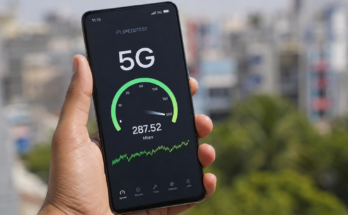
Connectivity will continue to be an important part of future smartphones. Current mobile networks already provide fast internet, but future networks could offer even better speed, lower delays, and more reliable connections.
Faster connectivity could improve cloud gaming, video calls, online education, streaming, and other services. Users may be able to download large files in seconds and communicate with high quality from almost anywhere.
Future smartphones may also connect more smoothly with smart homes, cars, wearable devices, and other connected products. Instead of using a phone as a separate device, people may use it as a central control system for many parts of their digital lives.
Improved Smartphone Security
Security and privacy will become even more important as smartphones handle more personal information. Future smartphones may introduce stronger methods of protecting data and accounts.
Biometric security could become more advanced. Face recognition and fingerprint sensors may become faster and more accurate. Future phones may also use multiple security signals at the same time to confirm that the correct person is using the device.
AI could also help identify unusual activity. If a phone notices that someone is using it in a very different way, it could ask for additional verification. This could help protect personal information if the device is lost or stolen.
Privacy features may also become easier to understand. Users could have more control over which apps can access their location, microphone, camera, contacts, and other information.
More Powerful Smartphone Processors
The processor is one of the most important parts of a smartphone. It controls how quickly the phone can run apps, games, cameras, and other features. Future smartphone processors are expected to become more powerful while using less energy.
Better processors will help smartphones handle demanding AI tasks directly on the device. This means some AI features may work without sending personal information to the cloud.
Gaming is another area that could benefit from improved processors. Future smartphones may provide better graphics, smoother gameplay, and higher performance without becoming extremely hot or using too much battery power.
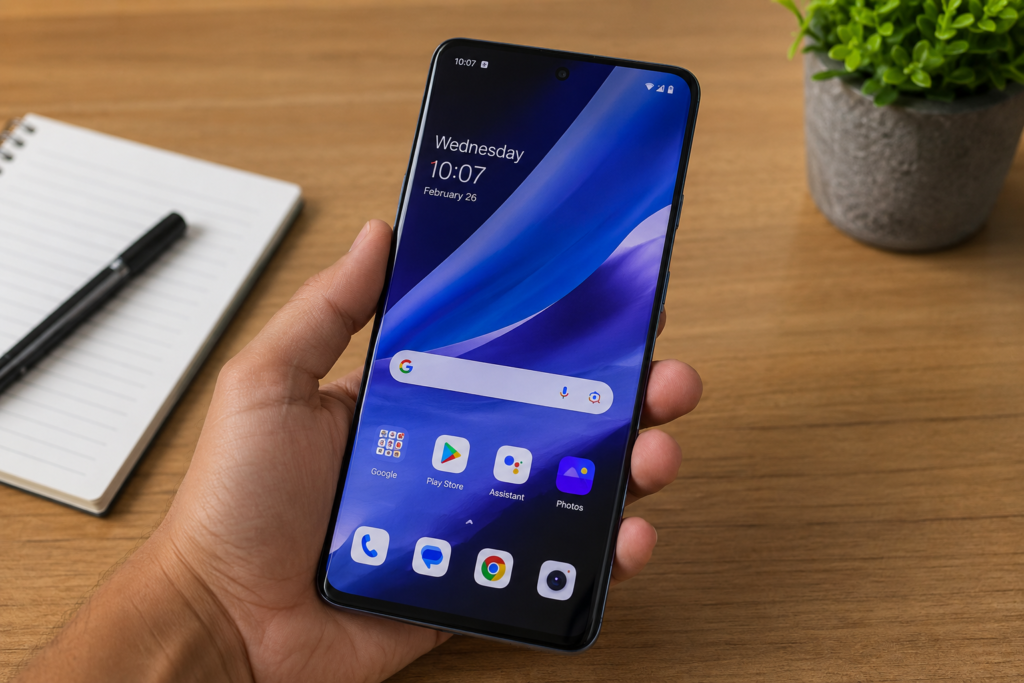
Smarter Smartphone Displays
Displays will continue to improve in the future. Users can expect brighter screens, better color accuracy, higher refresh rates, and improved visibility outdoors.
Future smartphones may also use smarter display technology to adjust automatically based on the user’s environment. The screen could change brightness, color temperature, and refresh rate depending on what the user is doing.
Some future devices may also include new display designs that reduce the need for visible camera cutouts. This could create a cleaner screen and provide a better experience when watching videos or playing games.
Better Integration With Other Devices
The smartphone of the future may become more connected with other devices than ever before. Instead of using separate systems, users may control many devices through one phone.
For example, a smartphone could connect with smart glasses, watches, cars, home appliances, computers, and televisions. A user might receive a message on smart glasses while using the phone to control the car or home.
This type of integration could make technology feel more natural. Instead of constantly opening different apps, users may be able to control devices through voice commands, gestures, or simple actions.
More Advanced Voice Controls
Voice assistants are already available on smartphones, but future voice technology could become much more natural. Users may be able to talk to their phones in normal language instead of using specific commands.
A future smartphone could understand context and follow multiple instructions in one conversation. For example, a user might ask the phone to find a restaurant, check the opening time, create a reminder, and send the information to a friend.
Voice translation could also become better. Future smartphones may allow people who speak different languages to communicate more easily through real time translation.
Improved Durability
People expect smartphones to survive everyday use, but accidental drops and water damage are still common problems. Future smartphones may become stronger and more resistant to damage.
Improved glass, metal, and other materials could help protect screens and phone bodies. Water and dust resistance may also become more advanced.
Some manufacturers may focus on making phones easier to repair as well. Replaceable components and better repair designs could help users keep their smartphones for longer instead of replacing them after a small problem.
More Environmentally Friendly Smartphones
Environmental concerns are becoming more important in the technology industry. Future smartphones may use more recycled materials and energy efficient components.
Manufacturers may also work on reducing electronic waste by making phones easier to repair and upgrade. Longer software support could allow people to use the same smartphone for more years.
Better recycling programs could also help recover valuable materials from old devices. This could make the smartphone industry more environmentally responsible.
Conclusion
The future of smartphones looks exciting and full of possibilities. Artificial intelligence, better cameras, longer battery life, flexible displays, faster connectivity, stronger security, and improved processors are just some of the technologies that could shape the next generation of smartphones.
Future smartphones may become less like simple communication devices and more like intelligent personal assistants. They could understand users better, connect with other devices, protect personal information, and make everyday tasks easier.
However, the most important goal should not simply be adding more features. Future smartphone technology should make devices easier, safer, more useful, and more reliable. If manufacturers can combine powerful technology with simple design and better privacy, future smartphones could become an even more valuable part of everyday life.
As technology continues to develop, it will be interesting to see how smartphones change. The devices we carry in the future may look very different from today’s phones, but their main purpose will remain the same: helping people stay connected and making daily life easier.