Buying a new phone can be exciting, but it can also be confusing. There are so many smartphones available today, and every phone comes with different features, prices, and specifications. Some phones focus on cameras, while others offer better battery life, faster performance, or a beautiful display. Choosing the right phone becomes easier when you know which features actually matter.
A good smartphone should fit your daily needs, budget, and lifestyle. You do not always need the most expensive phone to get a good experience. The important thing is to understand the main features and decide which ones are most useful for you. In this article, we will discuss the best features to look for when buying a new phone.
1. Choose the Right Phone Performance
Performance is one of the most important things to consider when buying a new phone. A phone with a good processor can open apps quickly, handle multitasking, and provide a smoother overall experience.
If you mainly use your phone for calling, messaging, social media, browsing, and watching videos, you may not need the most powerful processor. However, if you play games, edit videos, use demanding apps, or regularly multitask, you should look for a stronger processor.
You should also check the amount of RAM. A phone with enough RAM can keep multiple apps running without slowing down too much. For most everyday users, a phone with 6GB or 8GB of RAM can provide a comfortable experience. People who want better performance for gaming and heavy applications may prefer more RAM.
2. Look for a Good Display
The display is another important feature because you look at your phone screen every day. A good display can make watching videos, reading articles, browsing websites, and using social media much more enjoyable.
When buying a smartphone, check the screen size, resolution, brightness, and refresh rate. A higher resolution usually provides sharper images and text. A higher refresh rate can make scrolling and animations feel smoother.
You should also consider the display technology. Some phones offer OLED or AMOLED screens that provide strong colors, deep blacks, and good contrast. If you spend many hours watching videos or using your phone, a quality display can make a noticeable difference.
3. Check the Camera Quality
Camera quality is one of the biggest reasons people upgrade their phones. Modern smartphones can take impressive photos and videos, but camera specifications can sometimes be confusing.
Do not only look at the megapixel number. A camera with more megapixels is not automatically better. Image processing, sensor quality, stabilization, and software also have a major impact on photo quality.
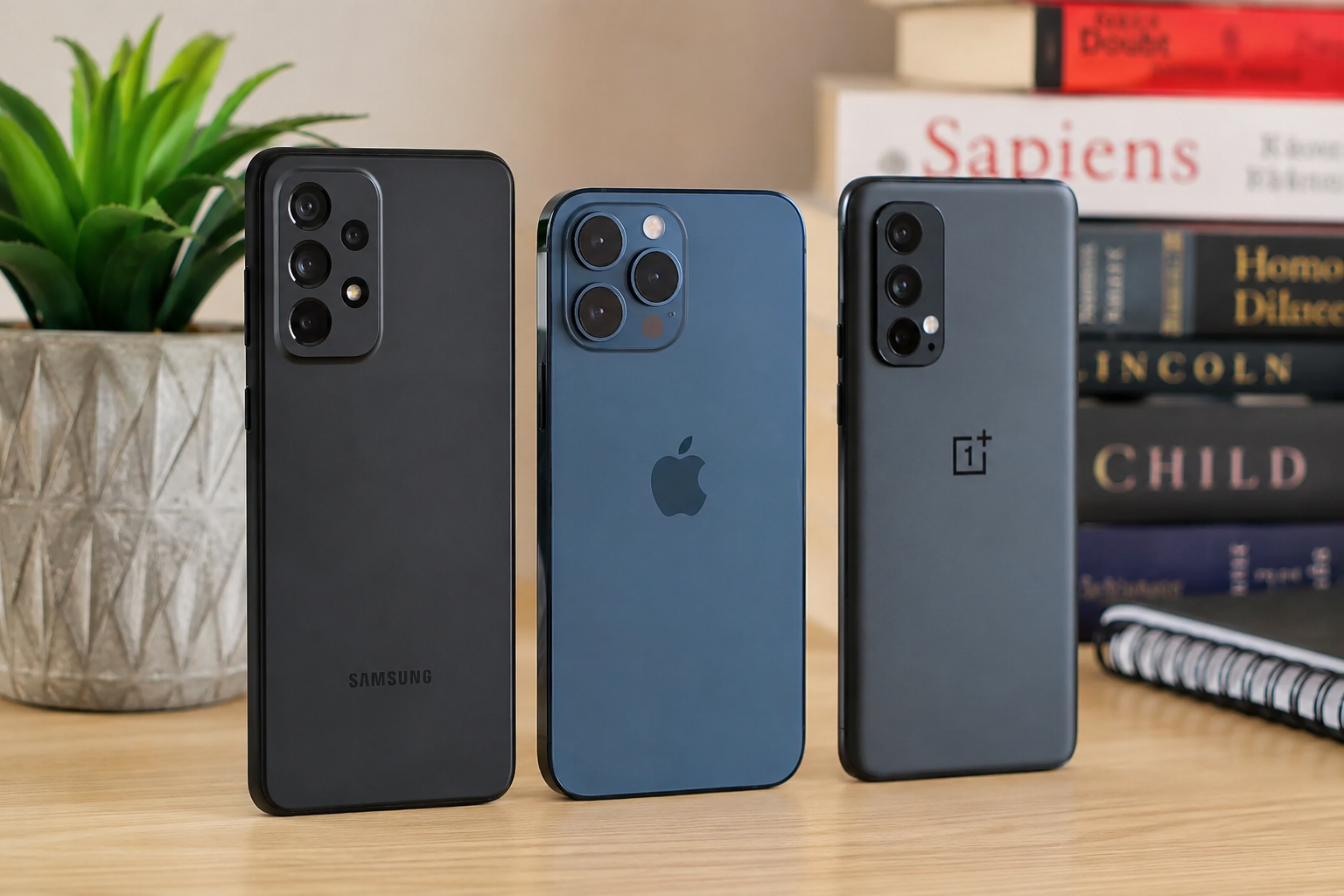
If you enjoy taking pictures, look for a phone with a good main camera and useful additional cameras. A wide angle camera can be helpful for landscapes and group photos. A telephoto camera can be useful for zoom photography.
Also check video features if you regularly record videos. Good stabilization, clear audio, and reliable autofocus can make your recordings much better.
4. Consider Battery Life
Battery life is one of the most practical smartphone features. Nobody wants to charge their phone several times during the day.
When choosing a new phone, check the battery capacity, but remember that battery size is not the only factor. Processor efficiency, display technology, software optimization, and your personal usage also affect battery life.
If you use your phone heavily for videos, gaming, navigation, or social media, look for a phone known for strong battery performance. Fast charging is also useful because it allows you to charge your phone quickly when you are in a hurry.
Wireless charging can be another useful feature, although it is not necessary for everyone. Think about your daily routine and decide which charging features are important to you.
5. Check the Storage Capacity
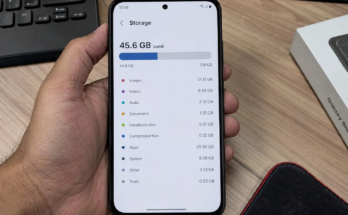
Storage is another feature that should not be ignored. Your phone stores photos, videos, applications, documents, music, and other files. If you choose a phone with limited storage, you may run out of space sooner than expected.
For basic users, 128GB can be a good starting point. If you take many photos and videos, install many applications, or download movies and games, you may want 256GB or more.
You should also check whether the phone supports a memory card. Many modern smartphones do not include expandable storage, so it is important to choose enough internal storage when buying the phone.
6. Look at Software and Updates
Software plays an important role in the long term value of a smartphone. A phone may have excellent hardware, but poor software support can make it less attractive over time.
Before buying a phone, check how long the manufacturer promises to provide operating system updates and security updates. Regular updates can improve security, fix problems, and sometimes introduce new features.
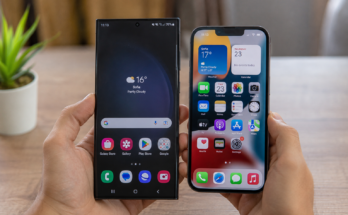
You should also consider whether you prefer Android or iOS. Both platforms have their own advantages. The best choice depends on the apps you use, your personal preferences, and the devices you already own.
7. Check the Build Quality
Build quality is important if you want your phone to last for several years. A well built phone can feel more comfortable and reliable in everyday use.
Look at the materials used for the phone body and screen. Some phones use glass backs, while others use metal or high quality plastic. You should also check whether the phone has protection against water and dust.
An official water and dust resistance rating can provide extra peace of mind. However, it is still a good idea to protect your phone with a case and screen protector.
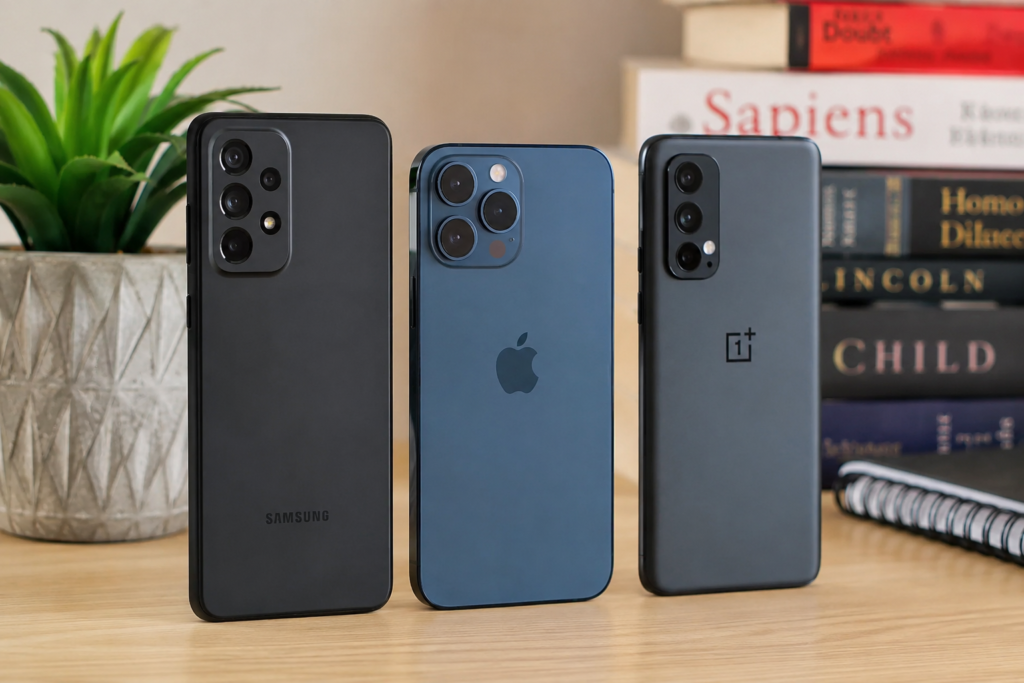
8. Consider 5G and Network Support
Network support is another important feature when buying a new smartphone. Many newer phones support 5G, which can provide faster mobile internet where compatible networks are available.
However, 5G is not equally useful in every location. Before buying a phone, check whether it supports the network bands used by your mobile network provider.
You should also check WiFi support, Bluetooth, and other connectivity options. Good connectivity can improve your experience when using wireless headphones, smart devices, home networks, and other accessories.
9. Check Security Features
Your phone contains a lot of personal information, including messages, photos, emails, financial information, and social media accounts. Strong security features are therefore very important.
Many modern smartphones offer fingerprint sensors or facial recognition. These features make unlocking your phone faster while providing an extra layer of security.
You should also check whether the phone receives regular security updates. A secure phone is especially important if you use mobile banking, online shopping, or other sensitive services.
10. Think About Phone Size and Comfort
Phone size is a personal choice. Some people prefer large screens because they are better for videos, reading, and gaming. Others prefer smaller phones because they are easier to hold and use with one hand.
Before buying a phone, consider its weight, thickness, and overall design. If possible, hold the phone in your hand before making a purchase. A phone may look attractive online but feel uncomfortable after several hours of use.
11. Check the Audio Quality
Audio quality is sometimes overlooked when people compare smartphones. However, good speakers can make a big difference when watching videos, listening to music, making calls, or playing games.
Look for phones with clear speakers and good volume. If you use wireless headphones, check the Bluetooth version and compatibility. You should also consider whether the phone includes a headphone jack if that feature is important to you.
12. Compare the Price With the Features
Price should always be considered when buying a new phone. A more expensive smartphone does not automatically mean it is the best choice for you.
Make a list of the features you actually need and compare phones within your budget. You may find a mid range phone that offers everything you need without paying for features you will rarely use.
It is also useful to compare the long term value of the phone. A smartphone with better software support, stronger battery life, and good build quality may be a better investment even if it costs slightly more.
13. Check Repair and Warranty Options
Before buying a smartphone, check the warranty and repair options available in your area. Even a reliable phone can develop a problem after an accident or hardware failure.
A good warranty can protect you from certain manufacturing problems. You should also check whether replacement screens, batteries, and other parts are easily available.
Buying from an authorized retailer can also make it easier to receive genuine products and proper support.
Conclusion
Choosing a new phone does not have to be difficult. The best smartphone is not necessarily the one with the highest price or the most impressive specifications. It is the phone that provides the features you actually need at a price you can afford.
When buying a new phone, pay attention to performance, display quality, camera performance, battery life, storage, software updates, build quality, network support, security, size, audio quality, and warranty options.
Take your time to compare different smartphones before making a decision. Think about how you use your current phone and which features you wish it had. This can help you choose a new smartphone that feels useful today and remains reliable for years to come.
By focusing on the right smartphone features instead of simply following trends, you can make a smarter buying decision and get better value from your new phone.