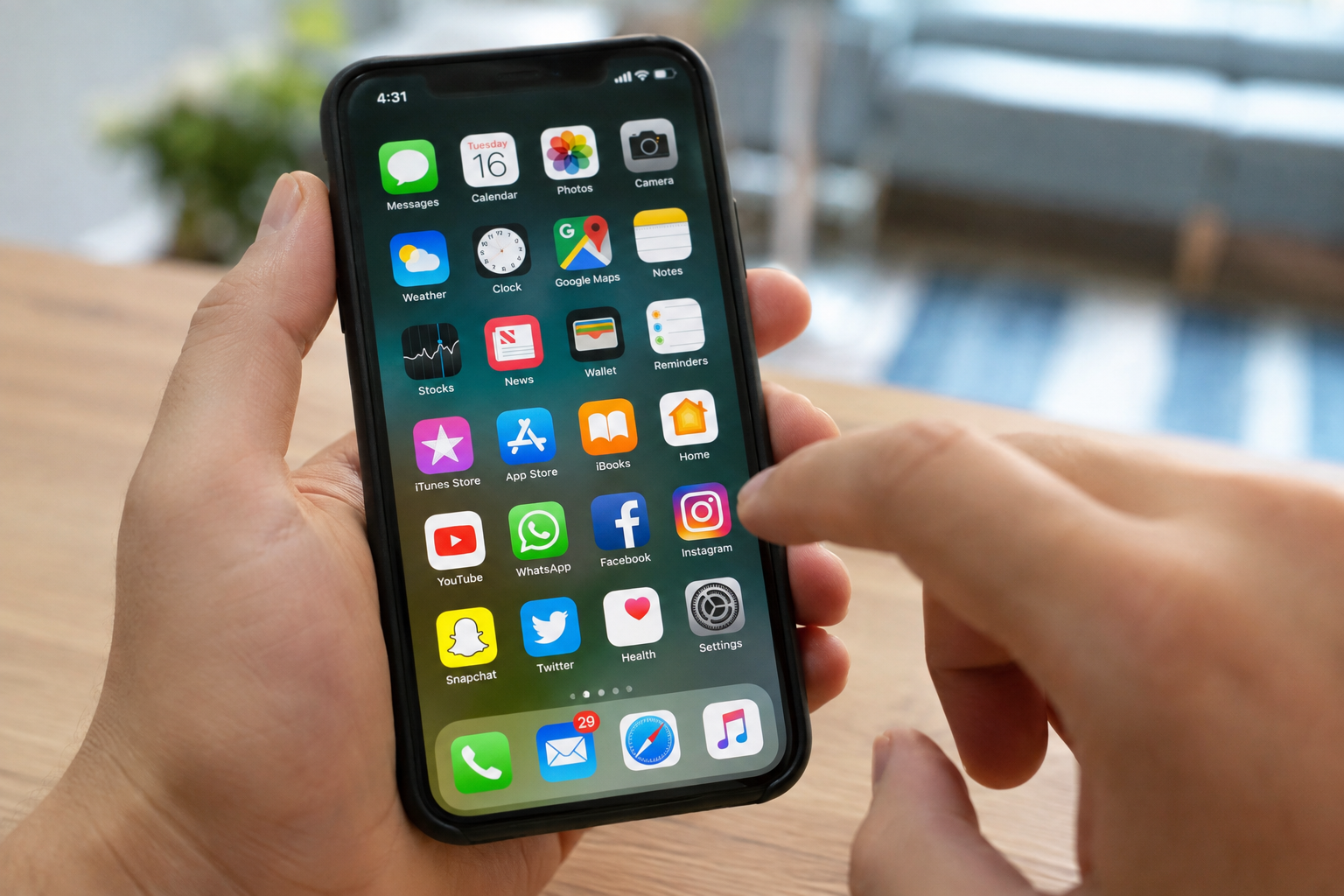
Mobile apps have become an important part of everyday life. Almost everyone uses mobile apps for different reasons. Some people use apps to communicate with friends and family, while others use them for shopping, learning, entertainment, banking, travel, work, and health. With just a smartphone in our hands, we can complete many tasks that once required a computer, a visit to a store, or even a trip to an office.
The growth of mobile apps has changed the way people live, work, communicate, and spend their free time. Today, mobile applications are not only tools for entertainment. They have become useful digital assistants that help people manage different parts of their daily lives. In this article, we will look at how mobile apps are changing everyday life and why they have become so important.
Mobile Apps Make Communication Easier
One of the biggest ways mobile apps are changing everyday life is by making communication easier. In the past, people mainly depended on phone calls, text messages, or emails to stay connected. Today, messaging and social media apps allow people to communicate instantly.
People can send text messages, voice messages, photos, videos, and documents within seconds. Video calling apps also allow families and friends to see each other even when they live in different cities or countries. This has made long distance communication much easier.
Mobile communication apps are also useful for work and education. Employees can communicate with coworkers, students can talk with teachers, and businesses can communicate with customers without needing to meet in person. This saves time and makes communication more convenient.
Mobile Apps Have Changed Online Shopping
Shopping has also changed because of mobile apps. People no longer need to visit different stores to find products. They can open a shopping app, search for an item, compare prices, read reviews, and place an order from their phone.
Mobile shopping apps make it possible to buy clothes, electronics, groceries, food, and many other products from almost anywhere. Customers can also track their orders and receive notifications about deliveries.
This convenience has changed customer behavior. Many people now check products on their phones before buying them. Businesses are also using mobile apps to offer discounts, special deals, and personalized recommendations.
For small businesses, mobile apps can provide a simple way to reach customers and build a strong online presence. As more people use smartphones for shopping, mobile commerce is becoming an important part of modern life.
Mobile Apps Are Making Banking More Convenient
Banking is another area that has changed greatly because of mobile apps. People can now manage many financial activities without visiting a bank branch.
Banking apps allow users to check account balances, transfer money, pay bills, receive payments, and review transactions. Some apps also allow users to deposit checks, manage cards, and receive alerts about account activity.
Mobile payment apps have made everyday payments easier as well. Instead of carrying cash, people can use their smartphones to pay at stores, restaurants, and other places where digital payments are accepted.
These apps save time and make financial management more convenient. However, users should always protect their banking information by using strong passwords, secure networks, and updated applications.
Mobile Apps Are Changing the Way We Learn
Education has also benefited from the growth of mobile applications. Students can now learn from almost anywhere with a smartphone and an internet connection.
There are apps for learning languages, mathematics, science, programming, writing, history, and many other subjects. Educational apps often include videos, quizzes, practice exercises, and interactive lessons that make learning more interesting.
Students can also use note taking apps, online classroom apps, and digital libraries to organize their studies. Teachers can share assignments, announcements, and learning materials through mobile applications.
Mobile learning is especially useful for people who cannot attend traditional classes. It gives learners more flexibility and allows them to study according to their own schedules.
Mobile Apps Make Travel Easier
Travel has become much simpler because of mobile apps. People can use navigation apps to find locations, check traffic, and choose the best route. This has made traveling in unfamiliar places much easier.
Travel apps can also help users find hotels, restaurants, flights, public transportation, and tourist attractions. Many people use their smartphones as digital travel guides when visiting a new city or country.
Ride booking apps have also changed transportation. Instead of standing on the road looking for a taxi, users can request a ride through an app. They can see the driver’s location, estimated arrival time, and fare before starting the journey.
These features make travel more organized and reduce the stress that often comes with planning a trip.
Mobile Apps Are Improving Health and Fitness
Health and fitness apps are becoming popular among smartphone users. These apps can help people track daily steps, exercise, sleep, water intake, and other healthy habits.
Fitness apps can provide workout plans and reminders that encourage people to stay active. Some apps also allow users to record meals and monitor their daily activities.
Healthcare apps are useful in other ways too. Depending on the service available in a particular area, people may be able to book medical appointments, communicate with healthcare providers, receive reminders, or access health information through their phones.
Mobile health apps cannot replace professional medical care, but they can help people organize information and develop healthier daily habits.
Mobile Apps Have Changed Entertainment
Entertainment is another major part of the mobile app experience. People can watch videos, listen to music, play games, read books, and follow their favorite content creators directly from their smartphones.
Streaming apps have made entertainment available almost anywhere. A person can watch a movie while traveling, listen to music during a workout, or play a game while relaxing at home.
Social media apps have also become a major source of entertainment. People can watch short videos, view photos, read posts, and communicate with online communities.
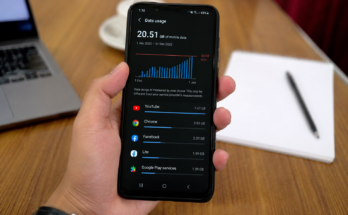
Because entertainment is so easy to access, people should also manage their screen time. Spending too much time on mobile apps can reduce productivity and affect sleep and daily routines.
Mobile Apps Are Helping People Work
Mobile apps have changed the modern workplace as well. Many people can now complete work tasks using only a smartphone. Email apps, communication apps, cloud storage apps, calendar apps, and document editing tools help employees stay connected.
Remote work has increased the importance of mobile applications. Workers can attend online meetings, communicate with their teams, check schedules, and manage tasks even when they are away from their main workplace.
Business owners also use mobile apps to communicate with customers, manage orders, monitor sales, and promote their services. This gives businesses more flexibility and allows them to stay connected with customers throughout the day.
Mobile Apps Save Time
One of the biggest benefits of mobile apps is that they save time. Many tasks that once took several steps can now be completed within a few minutes.
For example, a person can order food, pay a bill, book a ride, send money, check the weather, or make an appointment without leaving home. This convenience can make busy daily routines easier to manage.
Mobile apps also provide reminders and notifications. These features can help users remember meetings, payments, appointments, birthdays, and other important events.
Mobile Apps Help People Stay Organized
Modern life can be busy, and mobile apps can help people organize their time and responsibilities. Calendar apps allow users to create schedules and set reminders. Note taking apps help people save ideas, lists, and important information.
Task management apps can also help users organize work and personal responsibilities. Instead of keeping everything in their memory, people can use their smartphones to create simple lists and reminders.
This can make daily planning easier and help people focus on important tasks.
The Negative Side of Mobile Apps
Although mobile apps offer many benefits, they also have some disadvantages. Spending too much time on social media, games, or entertainment apps can become a problem. Some people check their phones constantly and find it difficult to focus without looking at notifications.
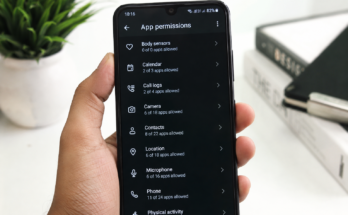
Privacy is another concern. Many apps collect user information, so people should understand app permissions and privacy settings before using an application.
There are also security risks. Downloading apps from unknown sources can expose a smartphone to harmful software. Users should download applications from trusted app stores and keep their phones updated.
Using mobile apps responsibly is important. Technology should make life easier instead of controlling our daily routines.
The Future of Mobile Apps
The future of mobile apps is likely to bring even more changes to everyday life. Apps are becoming smarter and more personalized. Artificial intelligence and other technologies are helping applications understand user needs and provide faster services.
In the future, mobile apps may become even more connected with smart homes, cars, wearable devices, healthcare services, education, and workplaces.
As smartphones continue to improve, mobile applications will probably become an even bigger part of everyday activities. However, the most useful apps will be the ones that solve real problems and provide genuine value to users.
Conclusion
Mobile apps have changed everyday life in many ways. They have made communication faster, shopping easier, banking more convenient, learning more flexible, and travel more organized. They also help people manage health, entertainment, work, finances, and daily schedules.
The biggest advantage of mobile apps is convenience. Many tasks can now be completed from almost anywhere with a smartphone. At the same time, users need to be careful about privacy, security, and excessive screen time.
Mobile apps are no longer just optional tools. For millions of people, they have become part of everyday life. As technology continues to develop, mobile apps will continue to influence how we communicate, work, learn, shop, and manage our daily routines.